How to Choose the Right Components for Your Next Project

Understanding Project Requirements
When embarking on a new project, the first step is to clearly define the project’s requirements. Begin by evaluating the purpose of your project and identifying the key objectives. Consider the functionalities you need, the target audience, expected performance metrics, and any constraints such as budget and timeline.
Perform thorough research to understand the technical specifications necessary for your project. This could range from specific software capabilities for a tech project to raw material properties for a manufacturing task. By creating a comprehensive list of requirements, you can streamline the component selection process.
Project Type and Scope
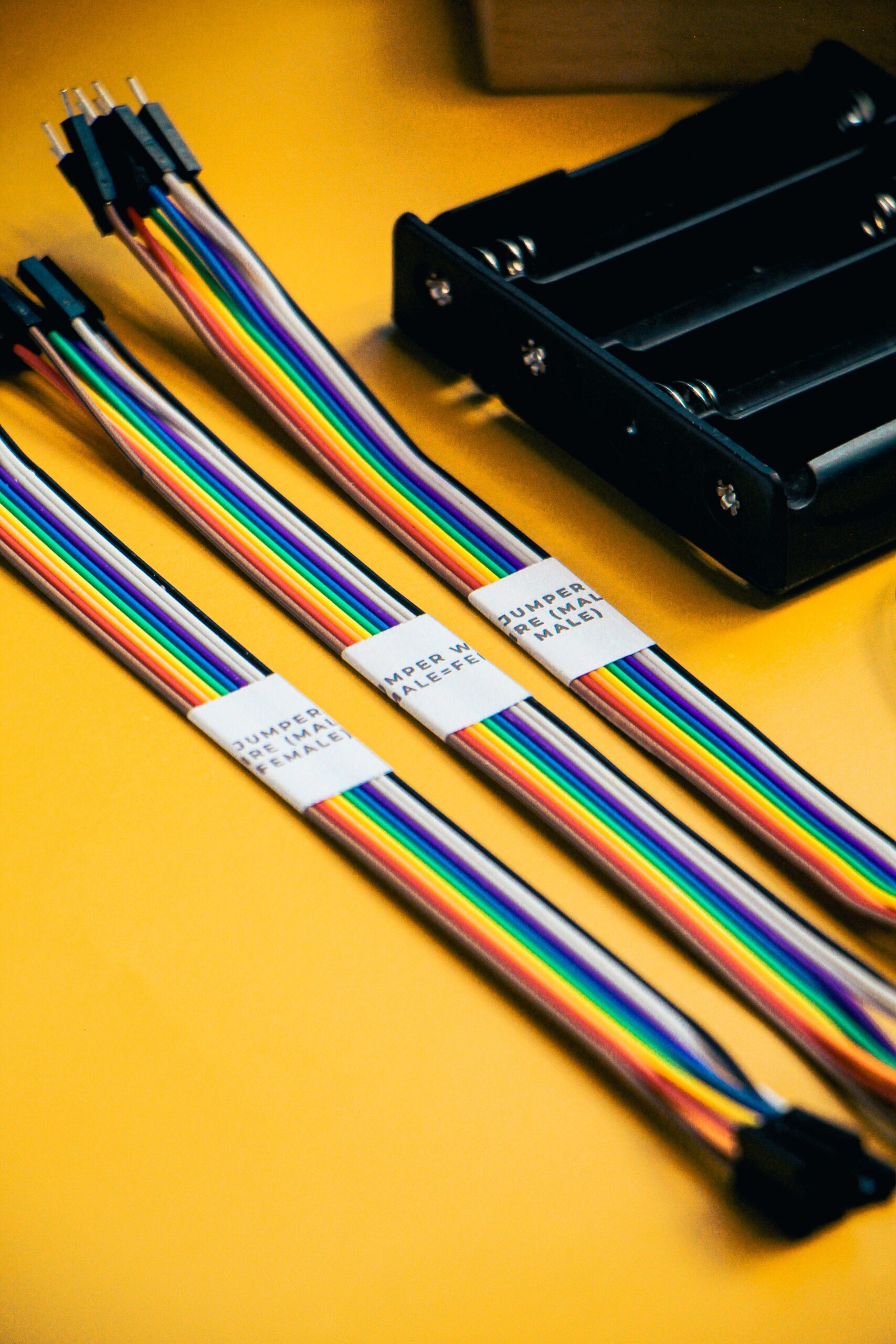
Different project types necessitate distinct components. For instance, electronic projects often involve hardware, software, and power supplies; while woodworking projects may require various types of timber, screws, and finishes. Assess the scope of your project carefully to discern what category it falls into, as this knowledge will direcly inform your component selection.
Budget Considerations
Establishing a realistic budget is crucial in component selection. Determine the total amount you’re willing to invest and break it down into categories, such as materials, labor, and possible overheads. Research component prices from multiple suppliers to find the best deals, ensuring you balance quality and cost. Create a priority list of components so that if the budget is tight, you can make informed decisions about where you might be able to cut costs without sacrificing overall project integrity.
Quality vs. Cost
While staying within budget is essential, compromising on quality can lead to project failure. A detailed analysis of the components is vital. Investigate manufacturer reputations, read reviews, and analyze performance metrics. Consider using certified components that meet industry standards. Often, investing in high-quality components can save costs in the long run through fewer replacements and reduced maintenance requirements.
Compatibility and Specifications
Compatibility between components is crucial for seamless integration. Conduct thorough compatibility checks between hardware, software, and any other components involved in your project. Review the specifications and ensure that each component fulfills the required standards for communication, power, and performance.
For electronic projects, verify that microcontrollers, sensors, and modules harmonize well. For software applications, ensure compatibility between operating systems, programming languages, and libraries. A systematic approach will prevent integration issues later in the project lifecycle.
Research & Development
Engage in testing and prototyping to gather data before making final decisions. Create prototypes that include various components to assess their suitability in real-world scenarios. Record any performance metrics, issues, or insights gained during the prototyping phase. This iterative process will enable you to refine your component choices based on empirical evidence, leading to more effective final decisions.
Sourcing Components
Once requirements and specifications are clear, it’s time to source your components. Engage with multiple suppliers to compare prices, availability, and warranty terms. Utilize online platforms to research component availability, but also consider local suppliers for quicker turnaround times. Checking supplier reliability is essential; look for vendors with positive customer feedback and strong support systems in place.
Availability and Supply Chain Considerations
Keep in mind that component availability can fluctuate due to different factors, including global supply chain issues and market demand. Make sure to confirm product stock levels before placing orders. Consider alternative suppliers and backup components in case the primary choice becomes unavailable. This foresight will help mitigate delays in your project timeline.
Modular vs. Integrated Components
Decide whether to choose modular components, which provide flexibility and scalability, or integrated components, which often simplify the assembly process. Modular components are ideal for projects that may undergo future upgrades or modifications. In contrast, integrated solutions can be more efficient and compact, making them suitable for projects where space is limited.
Sustainability and Environmental Impacts
Consider the environmental consequences of your component choice. Opt for sustainable materials and energy-efficient solutions whenever possible. Research companies that prioritize sustainable practices in their manufacturing processes. This not only reduces your project’s ecological footprint but can enhance the project’s appeal to environmentally conscious consumers.
Regulatory Compliance
Ensure that your component selections comply with relevant industry regulations and standards. This is especially pertinent for projects in healthcare, automotive, and aerospace sectors. Familiarize yourself with the necessary certifications your components need to meet before you begin sourcing. Compliance not only ensures safety but can also accelerate project approval timelines.
User Experience Focus
Always keep the end-user experience in mind when selecting components. Consider the usability of your project, the accessibility of the interface, and how the chosen components contribute to the overall user experience. Thoroughly outlined user personas can assist in guiding component choices that enhance satisfaction and usability.
Future-Proofing Your Project
As technology evolves, consider how your component choices will hold up against future advancements. Look for components that offer upgrade paths or are widely supported by ongoing developments. Investing in versatile and widely-adopted components can prolong your project’s life cycle and ensure relevance in a rapidly changing environment.
Community Feedback and Collaboration
Engage with experienced community members and online forums relevant to your project area. Their insights can provide critical feedback regarding component choices or alternative solutions. Participating in discussion groups can uncover lesser-known components that may perform exceptionally well for your application.
Documentation and Record-Keeping
Maintain thorough records of your component choices, including specifications, supplier information, pricing, and any tests conducted. This documentation will be invaluable for troubleshooting, maintenance, and future projects. Detailed records allow you to make informed decisions and to revisit successful components as your projects evolve.
Conclusion
Choosing the right components necessitates a systematic approach by evaluating requirements, budget constraints, supplier reliability, and future considerations. By emphasizing compatibility, quality, user experience, and environmental impact, you can enhance your project’s success and sustainability. Engage in continuous learning through community interaction to stay current with trends and innovations. Remember, thoughtful planning at the component selection stage can significantly elevate the quality and longevity of your project.